 EN
EN Türkçe
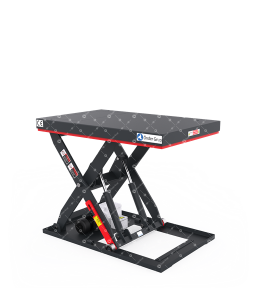
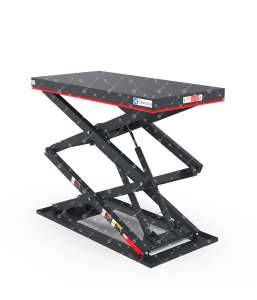
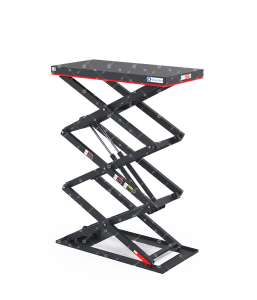
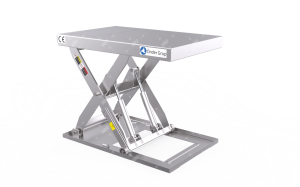
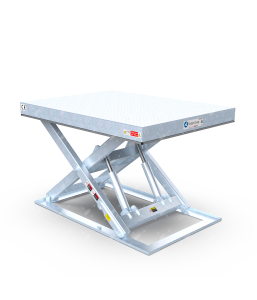
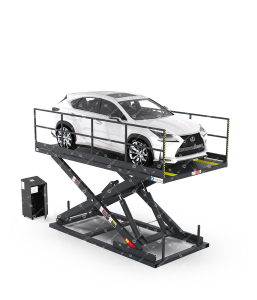
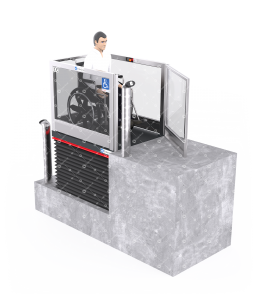
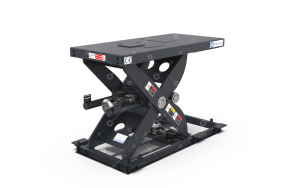

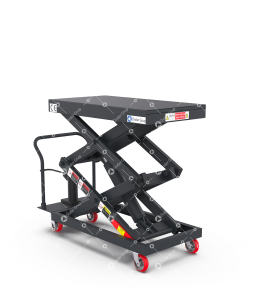
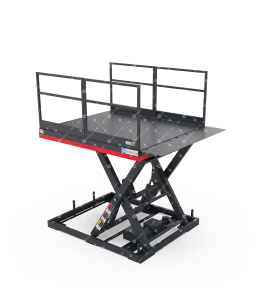
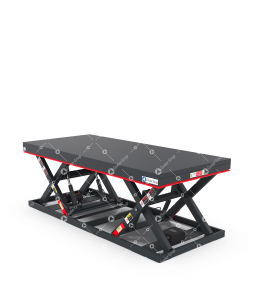
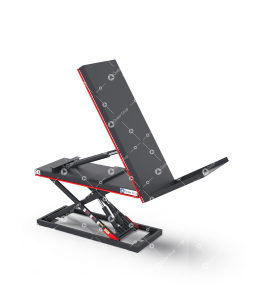
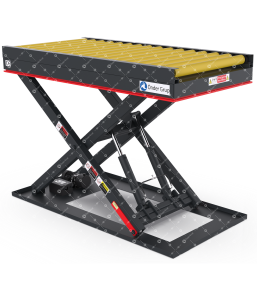
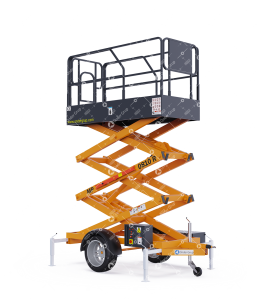
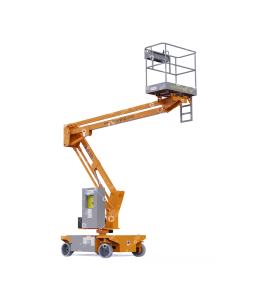
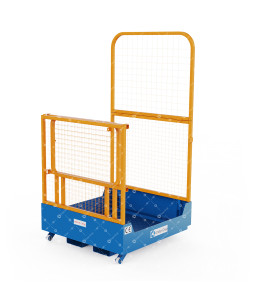
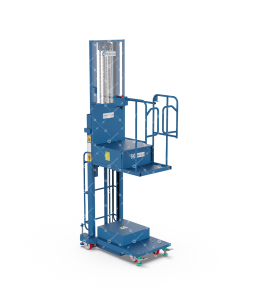
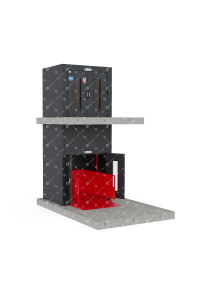

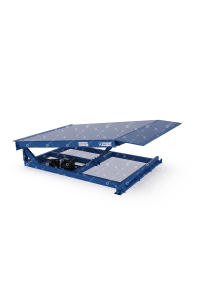
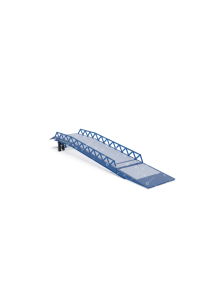
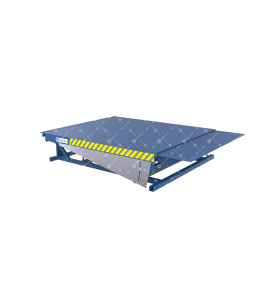














With large platform sizes and high load capacities, the Tandem Scissor Lift Table is ideal for controlled lifting of long loads in production lines, assembly stations, and logistics operations. Available with project-specific sizing and options.
Lift Tables
Tandem Type Scissor Lift
The Tandem Scissor Lift Table is a heavy-duty lifting solution designed for long and oversized loads, providing stable and balanced lifting on an extended platform. The tandem scissor structure improves load distribution for safer positioning.
STANDART MODELS
| Type | Art No () | Capacity (kg) | E X F - Platform Dimensions (mm) | H - Stroke (mm) | C - Closed Height (mm) | Lifting Time (sn) | Engine (kW) | Weight (kg) | Adjust Range (mm) | Lip Lenght (mm) | Pit Dimensions (mm) |
|---|---|---|---|---|---|---|---|---|---|---|---|
|
Filter
|
|||||||||||
| ESPH.1/10-09 | 60.10.001 | 1000 | 2700 x 800 | 820 | 230 | 18 | 1,1 | 520 | |||
| ESPH.1/10-11 | 60.10.002 | 1000 | 3600 x 900 | 1100 | 260 | 30 | 1,5 | 750 | |||
| ESPH.1/10-16 | 60.10.003 | 1000 | 4500 x 1200 | 1600 | 300 | 30 | 2,2 | 900 | |||
| ESPH.1/20-09 | 60.20.100 | 2000 | 2700 x 800 | 820 | 260 | 20 | 2,2 | 600 | |||
| ESPH.1/20-11 | 60.20.101 | 2000 | 3600 x 900 | 1100 | 260 | 30 | 2,2 | 775 | |||
| ESPH.1/20-16 | 60.20.102 | 2000 | 4500 x 1200 | 1600 | 300 | 30 | 2,2 | 950 | |||
| ESPH.1/30-09 | 60.30.200 | 3000 | 2700 x 800 | 820 | 260 | 20 | 2,2 | 700 | |||
| ESPH.1/30-11 | 60.30.201 | 3000 | 3600 x 900 | 1100 | 260 | 30 | 2,2 | 800 | |||
| ESPH.1/30-16-1 | 60.30.202 | 3000 | 4500 x 1200 | 1600 | 300 | 40 | 3 | 1100 | |||
| ESPH.1/30-16-2 | 60.30.203 | 3000 | 5000 x 1500 | 1600 | 300 | 45 | 4 | 1900 | |||
| ESPH.1/30-20 | 60.30.204 | 3000 | 6000 x 2000 | 2000 | 300 | 45 | 4 | 2200 | |||
| ESPH.1/40-09 | 60.40.300 | 4000 | 2700 x 800 | 820 | 300 | 24 | 2,2 | 850 | |||
| ESPH.1/40-11 | 60.40.301 | 4000 | 3600 x 900 | 1100 | 300 | 44 | 2,2 | 1100 | |||
| ESPH.1/40-16-1 | 60.40.302 | 4000 | 4500 x 1200 | 1600 | 350 | 40 | 4 | 1450 | |||
| ESPH.1/40-16-2 | 60.40.303 | 4000 | 5000 x 1500 | 1600 | 350 | 45 | 4 | 2000 | |||
| ESPH.1/40-20 | 60.40.304 | 4000 | 6000 x 2000 | 2000 | 350 | 50 | 4 | 2400 | |||
| ESPH.1/60-09 | 60.60.400 | 6000 | 2700 x 800 | 820 | 350 | 28 | 3 | 1250 | |||
| ESPH.1/60-11 | 60.60.401 | 6000 | 3600 x 900 | 1100 | 350 | 30 | 4 | 1600 | |||
| ESPH.1/60-16-1 | 60.60.402 | 6000 | 4500 x 1200 | 1600 | 350 | 35 | 4 | 1800 | |||
| ESPH.1/60-16-2 | 60.60.403 | 6000 | 5000 x 1500 | 1600 | 400 | 66 | 4 | 2750 | |||
| ESPH.1/60-20 | 60.60.404 | 6000 | 6000 x 2000 | 2000 | 400 | 70 | 4 | 3200 | |||
| ESPH.1/80-09 | 60.80.500 | 8000 | 2700 x 800 | 820 | 400 | 36 | 4 | 1500 | |||
| ESPH.1/80-11 | 60.80.501 | 8000 | 3600 x 900 | 1100 | 400 | 40 | 4 | 1800 | |||
| ESPH.1/80-16-1 | 60.80.502 | 8000 | 4500 x 1200 | 1600 | 400 | 45 | 4 | 1900 | |||
| ESPH.1/80-16-2 | 60.80.503 | 8000 | 5000 x 1500 | 1600 | 400 | 52 | 4 | 2750 | |||
| ESPH.1/80-20 | 60.80.504 | 8000 | 6000 x 2000 | 2000 | 400 | 66 | 4 | 3400 |
Do you need custom designed lifting solutions?
Contact a Lift Expert Today.
CASE STUDIES

Tandem Scissor Lift Table

Tandem Scissor Lift Table

Heavy Duty Tandem Scissor Lift Table

Tandem Scissor Lift Table with Roller

Tandem Lift Table – Assembly Lift

Assembly Lift- Tandem Scissor Lift Table

Tandem Scissor Lift Table

Tandem Scissor Lift Table

Tandem Scissor Lift Table – Assembly Platform
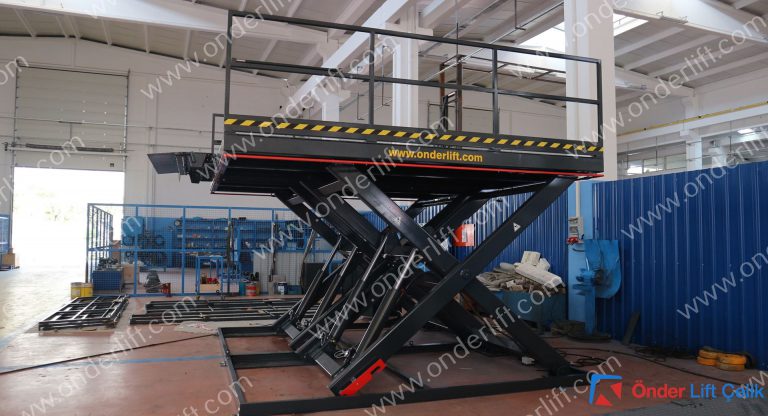
Tandem Scissor Lift Table
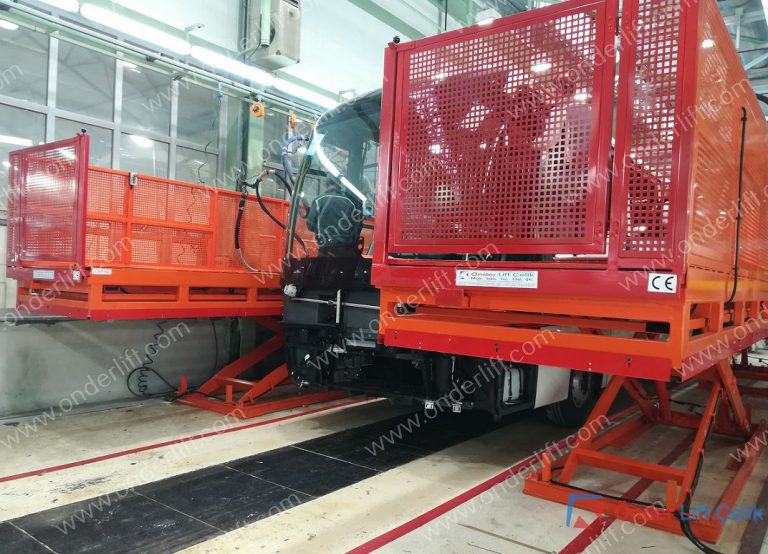
Tandem Scissor Lift Table
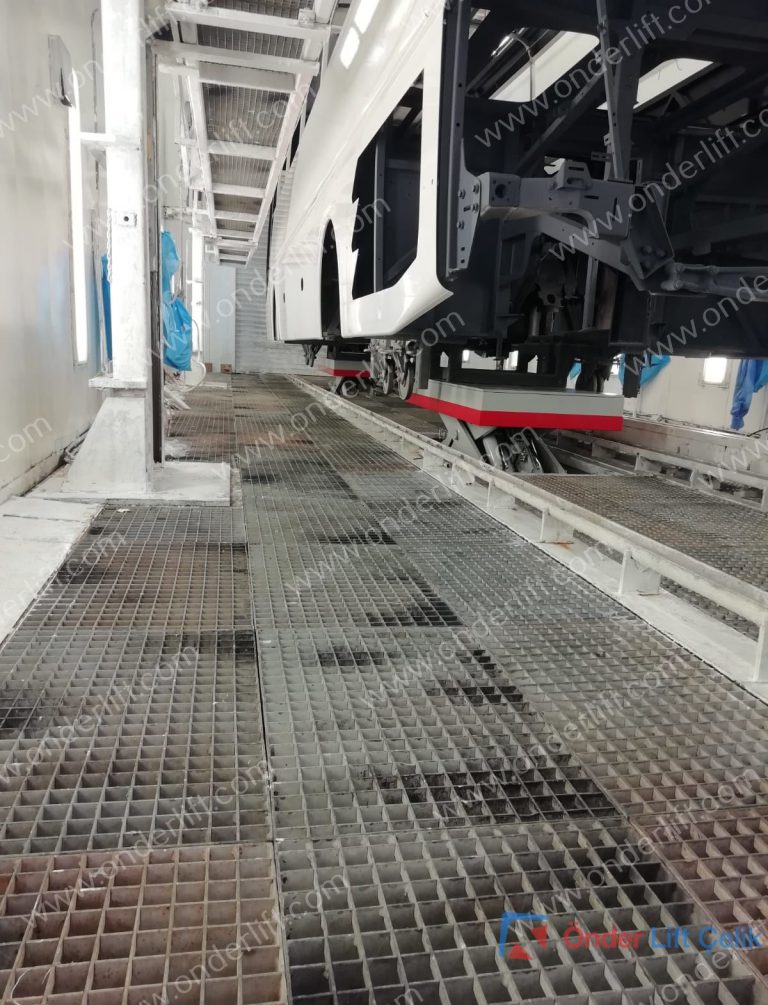
Single Scissor Lift Table
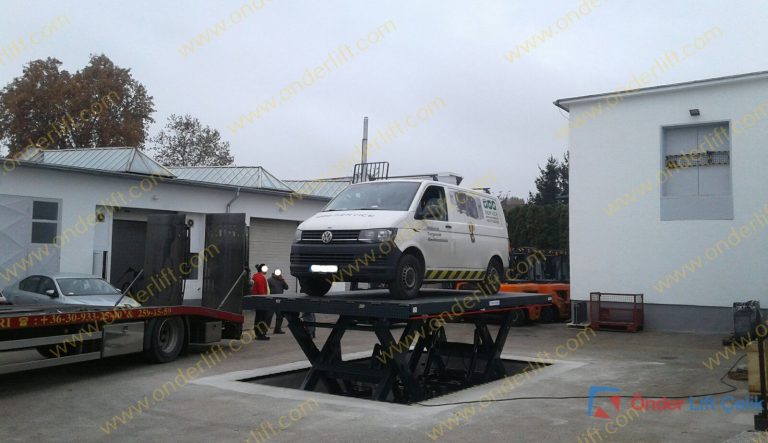
Loading Dock Table
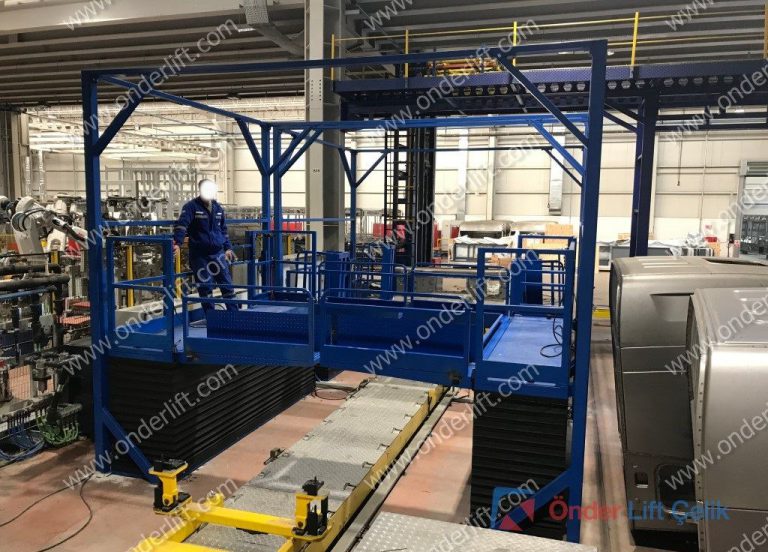
Personnel Work Platform for assembly

Bus sidewise panels assembly line
FAQ – Tandem Scissor Lift Table
1) What is a Tandem Scissor Lift Table?
A Tandem Scissor Lift Table is a heavy-duty lifting solution designed for long and oversized loads on an extended platform. The tandem scissor structure supports improved load distribution along the platform length.
2) What is the main advantage of a tandem scissor design?
The tandem structure helps distribute the load more evenly on long platforms, supporting more stable lifting, controlled positioning, and safer operation—especially for long parts, fixtures, and oversized pallets.
3) Where is it typically used?
- Production lines and assembly stations for lifting long loads
- Warehousing and logistics operations handling pallets/fixtures on extended decks
- Automation and transfer lines requiring roller decks or custom tops
- Heavy-duty industrial processes for load positioning and buffer stations
4) How are capacity and platform size selected?
Capacity is selected based on maximum load weight, load distribution on the deck, and duty intensity. Platform size is engineered according to product dimensions, fixture design, available space, and workflow requirements.
5) Why is load distribution important?
Even though tandem lift tables are designed for long loads, safe operation depends on correct load positioning and distribution according to project criteria. Poor load distribution can affect stability and service life.
6) Which safety features are typically considered?
Safety is engineered according to EN 1570-1 principles and the project scenario. Depending on configuration, typical solutions include overload protection, hose burst protection, perimeter anti-trap safety trip bars / safety frames, safety clearances between moving parts, and mechanical maintenance locks for safe servicing.
7) Can the platform top be customized?
Yes. Project-based configurations may include roller decks, sliding tops, special surface coatings, fixture mounting details, and other custom top solutions. This supports easier integration into automation and transfer systems.
8) How does the control system work?
Control solutions can be specified per application. Hold-to-run (deadman) logic can be supplied if required (the lift moves only while the operator presses the button and stops when released). Press-and-go control options may also be used depending on the project.
9) What about maintenance requirements?
With correct use and planned inspections, long service life is expected. Maintenance frequency depends on duty cycle, environment, and configuration. Mechanical maintenance locks/brackets are applied to support safe servicing.
10) What information is needed for a quick quotation?
For fast quotation and correct configuration, please share:
- Maximum load weight (kg) and load dimensions
- Load layout on the platform / load distribution
- Required platform size (ExF) and stroke (lifting travel)
- Usage intensity (daily cycles)
- Top deck requirements (roller/sliding/custom) and integration expectations
- Safety and option requirements (guard rails, bellows, sensors, control concept, etc.)