Frequently Asked Questions About High Scissor Lift Tables
1) What is a High Scissor Lift Table?
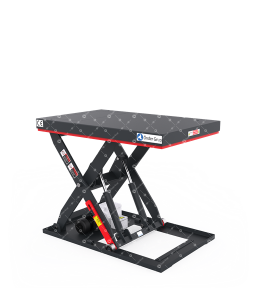
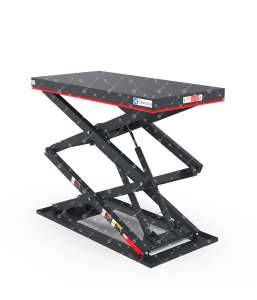
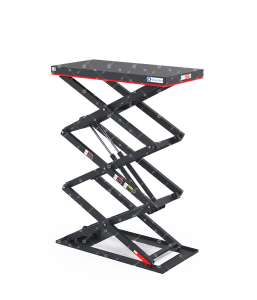
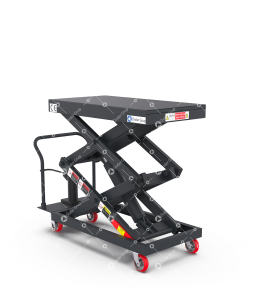
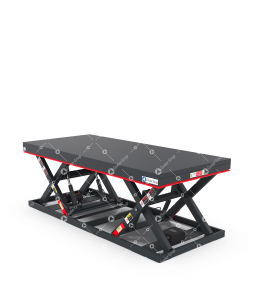
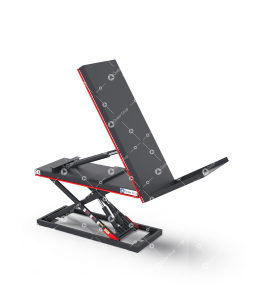
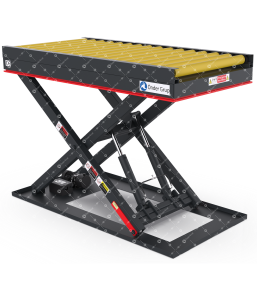
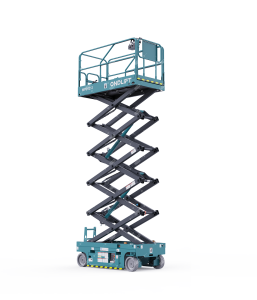
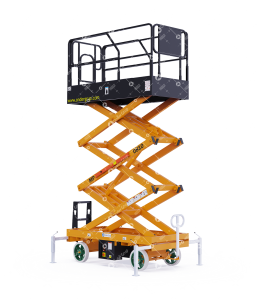
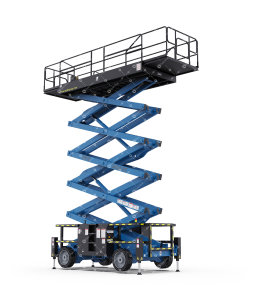
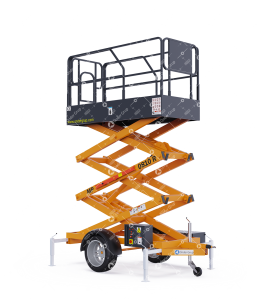
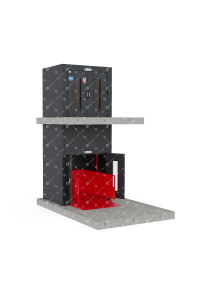
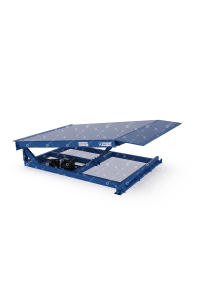
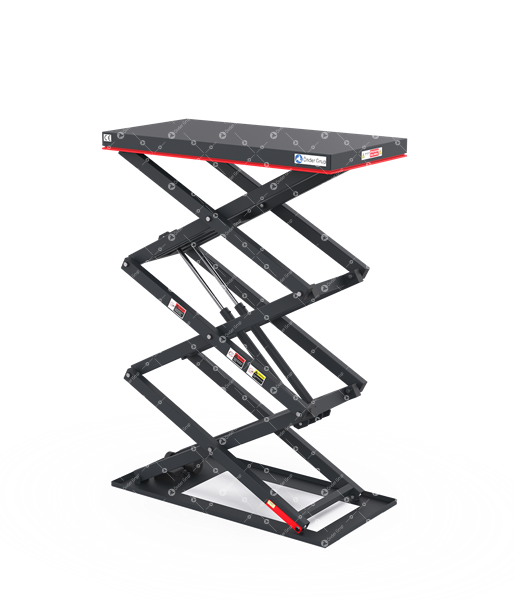
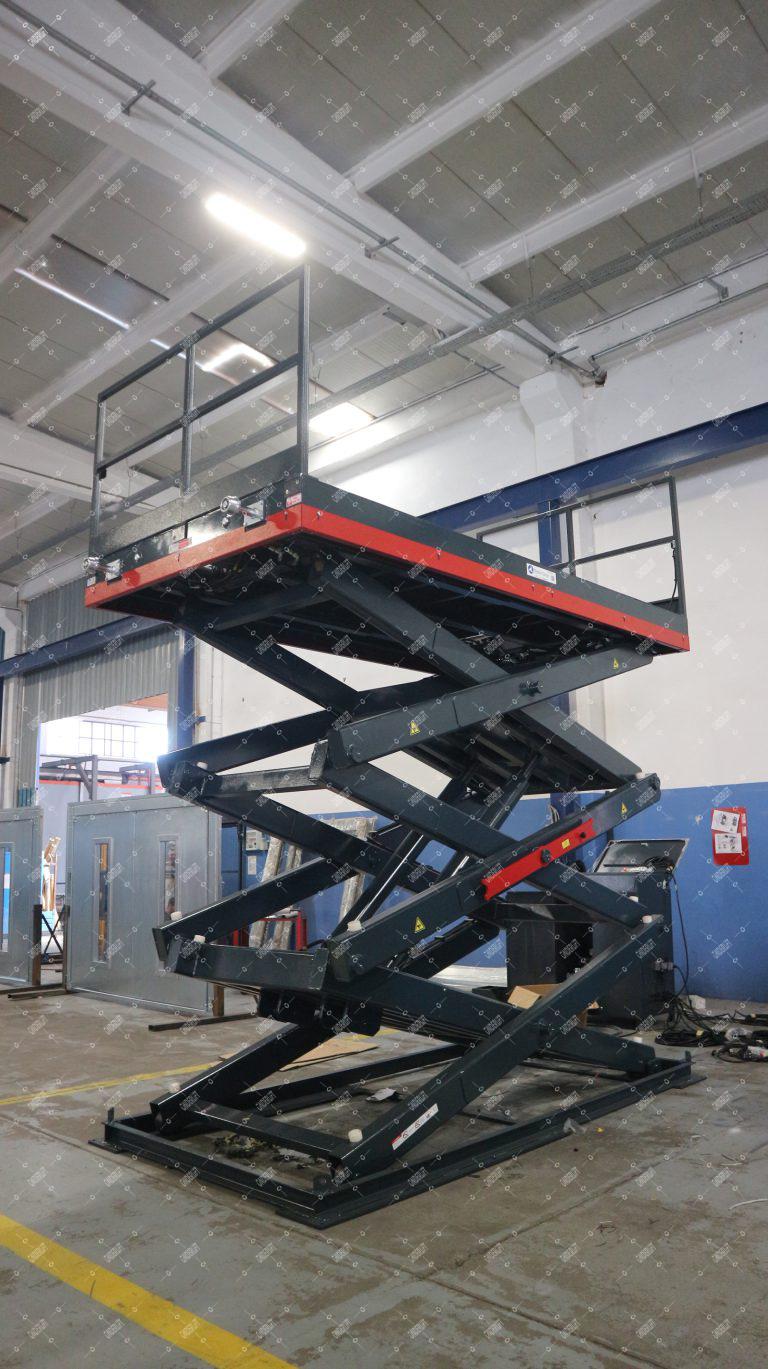
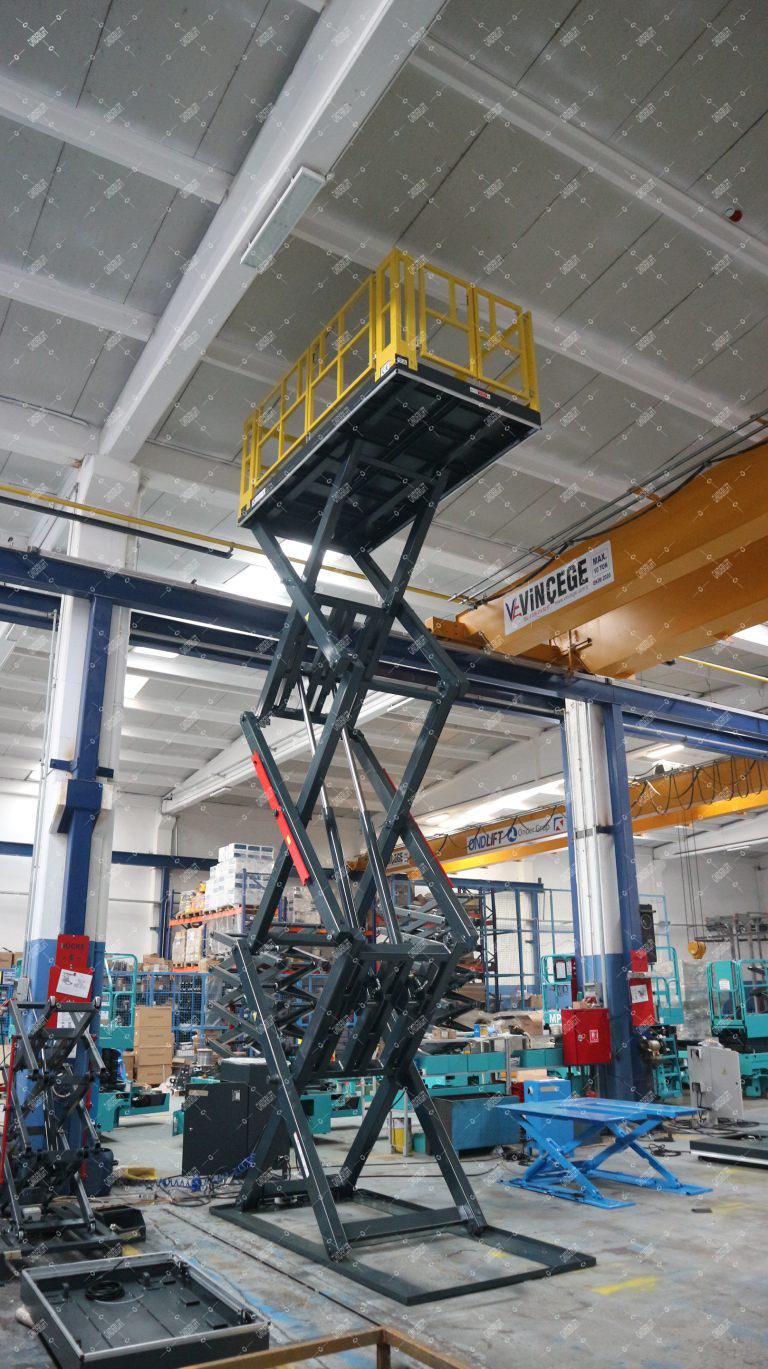
A High Scissor Lift Table is a hydraulic lifting system designed to achieve higher lifting heights with stable, controlled vertical motion. It is used to lift and position goods safely in industrial environments.
2) Where are High Scissor Lift Tables typically used?
They are commonly used in warehouses and logistics centers, production and assembly lines, packing/dispatch stations, and applications with significant level differences where ergonomic working height and reliable vertical transfer are required.
3) How do I select the correct capacity (kg)?
Capacity should be based on the maximum total load, including the product plus pallets, crates, fixtures, tools, and any attachments. For safe selection, also consider peak loads and real operating conditions.
4) How do I choose the right platform size?
Platform size depends on the load footprint, handling method (pallet truck, forklift, conveyor interface), operator access needs, and load position on the deck (centered or off-center). Correct sizing improves safety and workflow efficiency.
5) Why is stroke (lift height) critical?
Stroke defines the maximum lift height and the working level you can reach. It must match the required level difference and target ergonomic working height. Incorrect stroke selection can limit usability and reduce process efficiency.
6) Should I choose pit-mounted or surface-mounted installation?
Pit-mounted installations allow the platform to sit flush with the floor at the lowest position, enabling easier transfer. Surface-mounted solutions may reduce civil work. The best option depends on site constraints, traffic flow, and integration requirements.
7) What safety features are typically included?
Depending on configuration, common safety features include a hose burst valve, controlled lowering, a mechanical maintenance lock/safety support, pinch-risk reduction measures (e.g., safety skirting), and hold-to-run (deadman) control logic (the lift moves only while the operator keeps the control pressed; it stops when released). Additional safety options can be provided per project.
8) Can a High Scissor Lift Table be used outdoors or in humid environments?
Yes. For outdoor or high-humidity conditions, corrosion protection such as hot-dip galvanizing or special coatings can be applied, and electrical components can be selected with environment-appropriate protection.
9) What optional accessories can be added?
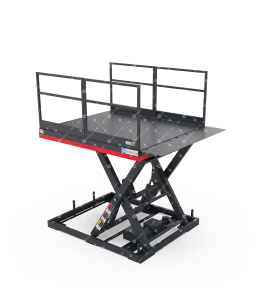
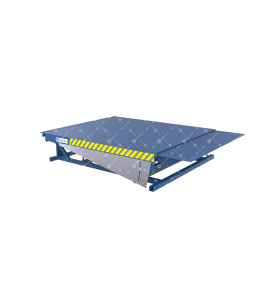
Typical options include guardrails, bellows (perimeter/scissor protection), loading lip/bridge plate solutions, roller-top decks, turntable integration, special control panels, and custom platform sizing.
10) How is lifting speed (cycle time) determined?
Lifting time depends on rated capacity, stroke, hydraulic power unit selection, and duty cycle. If cycle time is critical for your process, target speed should be defined during engineering so the system can be configured accordingly.
11) Can the lift handle off-center (eccentric) loads?
It can, but off-center loading affects structural design and safety factors. For safe engineering and reliable operation, provide the load position and worst-case scenario during quotation and design stages.
12) What maintenance is required?
Recommended maintenance includes inspections of pins and structural connections, hydraulic oil level and leak checks, electrical connection checks, and verification of safety devices. Maintenance frequency depends on usage intensity and operating conditions.
13) What information do you need to prepare a quotation?
For a fast and accurate quotation, please provide:
- Maximum total load (kg)
- Required platform size (W×L)
- Required stroke/lift height (mm)
- Installation type (pit-mounted / surface-mounted)
- Duty cycle (daily cycles)
- Indoor/outdoor environment and special conditions
- Handling method (pallet truck, forklift, conveyor interface, etc.)
 EN
EN Türkçe