 EN
EN Türkçe
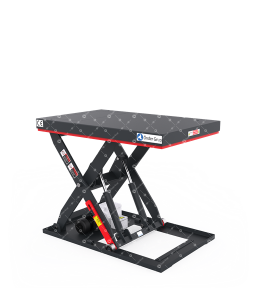
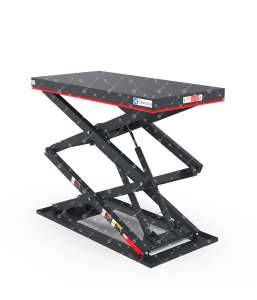
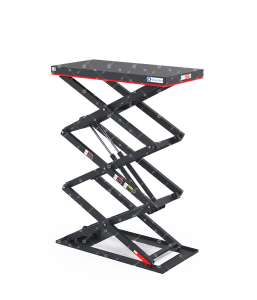
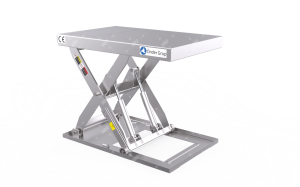

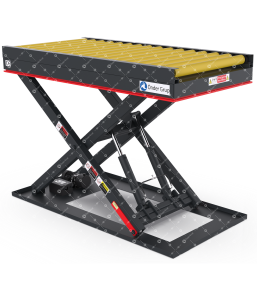
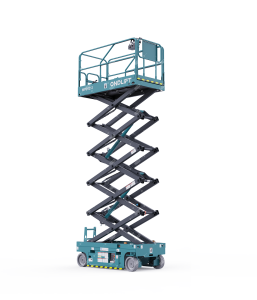
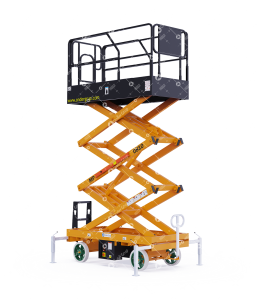
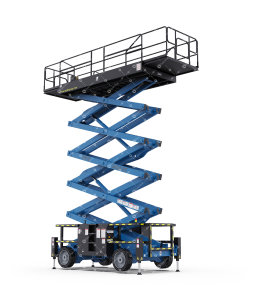
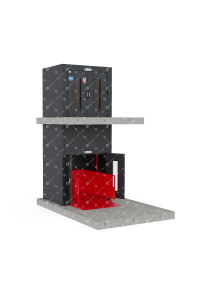

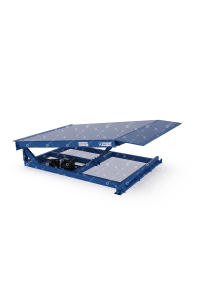
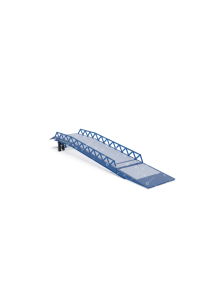
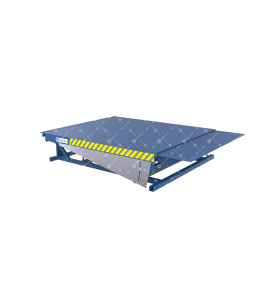


















What Are Loading Ramps?
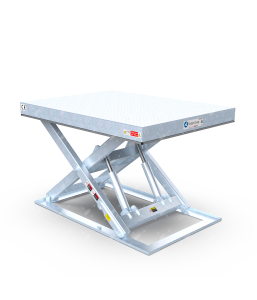
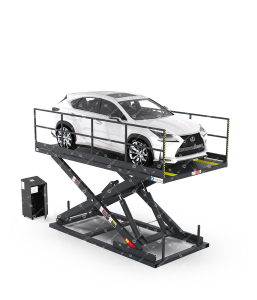
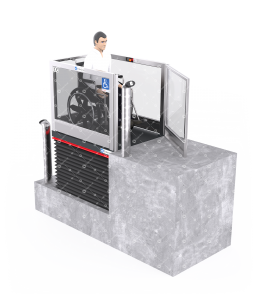
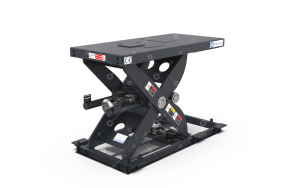
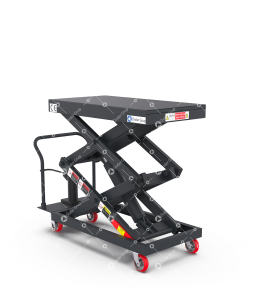
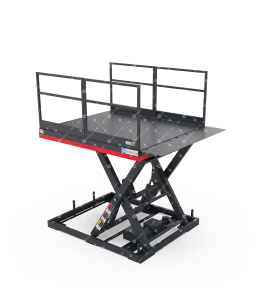
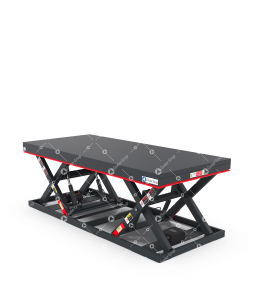
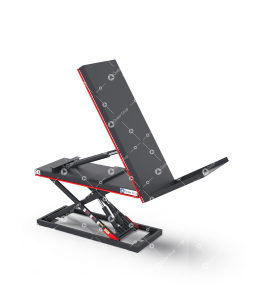
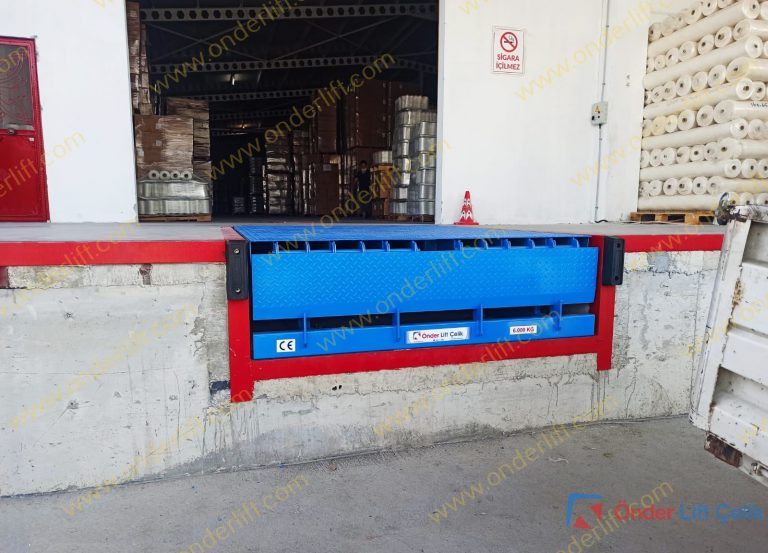
Loading ramps are inclined platforms designed to eliminate the height difference between the warehouse floor and the truck bed or loading dock during loading and unloading operations.
With these devices, heavy equipment such as forklifts, pallet trucks, or palletized loads can be transferred safely and efficiently between different levels. As seen on Onder Lift’s “Loading Ramps” page, the company offers various solutions to meet industrial logistics needs.
Why Choose a Loading Ramp?
Efficiency and Speed
Loading ramps significantly accelerate the loading and unloading process.
They allow seamless transitions between vehicles and warehouse floors, eliminating the need for manual adjustments at different heights.
Safety and Labor Savings
Since the loads are transported over a stable, inclined surface, the risk of workplace accidents is minimized, and manual handling becomes unnecessary — reducing labor fatigue and increasing operational safety.
Flexibility and Compatibility
Loading ramps are adaptable to various vehicle heights, warehouse layouts, and site conditions.
Common Google searches for “loading ramps” often include terms such as types, dimensions, capacity, and mobile or fixed models, showing users’ interest in product variety and customization.
Application Areas
-
Warehouses and Logistics Centers: Used for loading or unloading trucks, trailers, and palletized goods.
-
Production and Assembly Areas: Ensures smooth material flow and equipment transfer between working zones.
-
Construction and Outdoor Sites: Mobile or telescopic ramps are ideal for varying vehicle heights and uneven surfaces.
Technical Specifications and Selection Criteria
Key Factors to Consider
-
Load Capacity: The ramp must be selected according to the maximum load weight it will carry.
-
Platform Size / Width: Should match the dimensions of the loads, vehicle entrances, and available space at the site.
-
Height Compatibility: The ramp’s slope and lifting height must suit the truck bed or dock level for safe operation.
-
Surface and Safety Features: Non-slip surfaces, side barriers, and locking mechanisms improve overall safety.
-
Type and Structure: Choose the appropriate model — fixed, mobile, telescopic, or extendable ramp — depending on your operational needs.
Advantages
-
Reduces time in large-volume loading and unloading operations.
-
Saves labor and cost by replacing manual handling with efficient mechanical transfer.
-
Ensures safety and minimizes the risk of accidents.
-
Adapts easily to different site conditions (e.g., portable ramps).
-
Provides long-term reliability and continuity with proper maintenance.
Conclusion & Call to Action
If your facility performs regular loading and unloading operations in warehouses, logistics centers, or production sites — and you are searching for loading ramps — you are in the right place.
Manufacturers like Onder Lift offer safe, durable, and customizable ramp solutions designed specifically for your operational needs. By determining your load capacity, operating frequency, and site conditions, you can achieve a highly efficient and secure loading ramp system that enhances productivity and safety in your workplace.