 EN
EN Türkçe
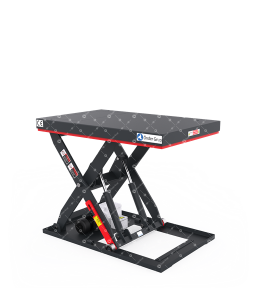
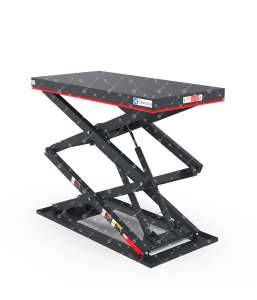
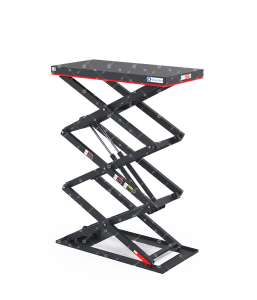
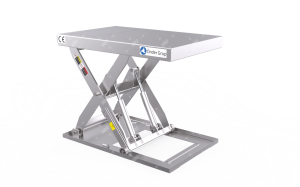
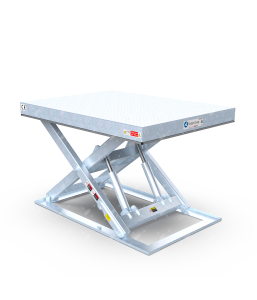
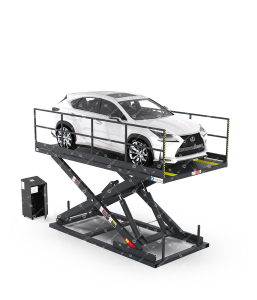
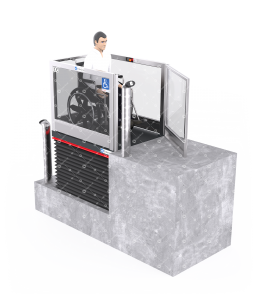
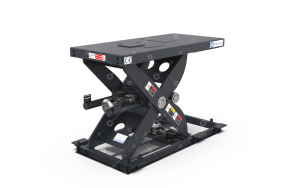

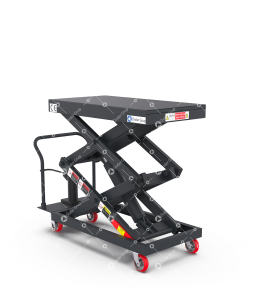
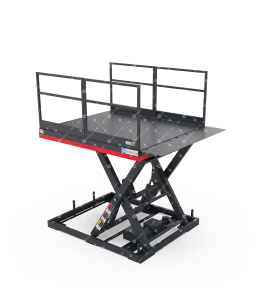
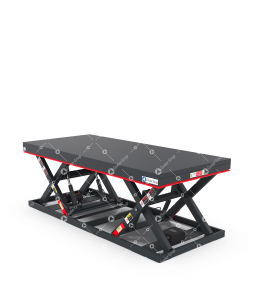
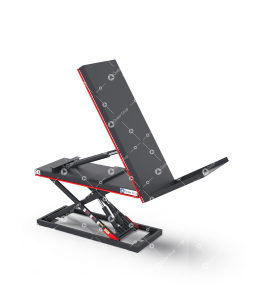
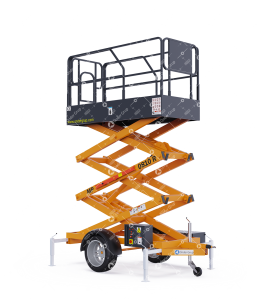
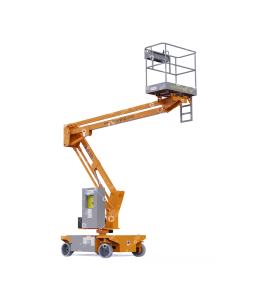
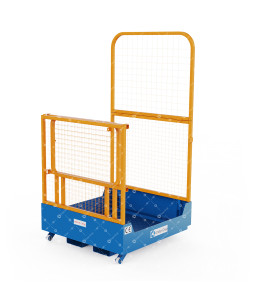
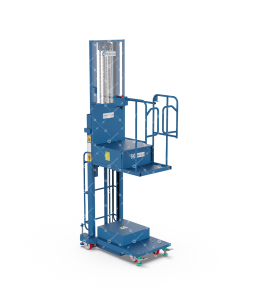
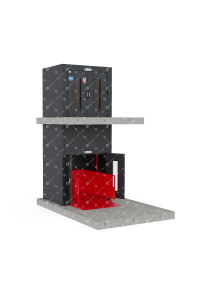

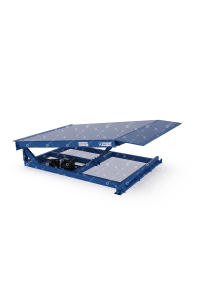
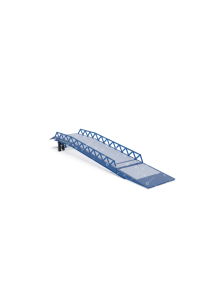
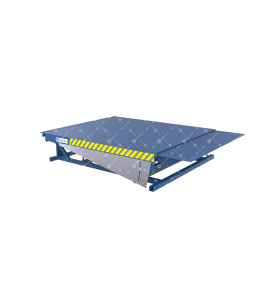
















What Is a Stacker?
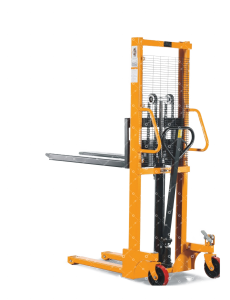
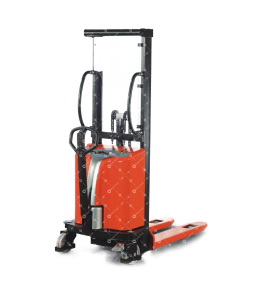
The term “stacker” generally refers to industrial equipment used for organizing, transporting, and stacking materials within warehouses, logistics centers, production facilities, and shelving systems. These machines allow palletized goods to be lifted, moved, and placed on racks faster and more safely, ensuring smooth and efficient material handling.
Who Is It For?
Stackers are ideal for any business that requires efficient material handling and storage operations, such as:
-
Warehouses and logistics centers with high material flow
-
Manufacturing plants that use shelving systems or manage inventory
-
E-commerce operations handling large boxes and packaging
-
Automotive, food, retail, and heavy industry sectors where frequent lifting and stacking is required
Areas of Use for Stackers
-
Storage systems: Manual or automatic stacking of pallets onto racks
-
Logistics operations: Fast stacking of incoming and outgoing goods
-
Production lines: Optimizing material flow and reducing manual workload
-
Retail and large stores: Streamlining stock movement and organization
Key Factors to Consider When Choosing a Stacker
1. Lifting Capacity & Maximum Load
Choose a model that matches your specific pallet size and load requirements.
2. Manual or Electric?
-
Manual stacker: Suitable for basic needs, cost-effective and easy to maintain.
-
Electric (battery-powered) stacker: Ideal for heavy loads, frequent use, and faster operations.
3. Walk-Behind or Ride-On Models
Walk-behind stackers are perfect for operators who control the machine from outside, while ride-on types are suitable for longer distances or heavier operations.
4. Working Environment & Space
Warehouse height, shelving system, floor surface, and aisle width should all be considered before selecting the right model.
5. Service & Maintenance
Choose a reliable brand that offers accessible spare parts, a wide service network, and low maintenance costs for long-term efficiency.
Advantages of Using a Stacker
✅ Reduced labor costs: Minimizes manual lifting and handling efforts.
✅ Increased speed and productivity: Ensures smooth and faster material flow.
✅ Enhanced safety: Reduces operator fatigue and workplace accident risks.
✅ Optimized space utilization: Allows access to higher racks and maximizes vertical storage.
✅ Better stock control: Provides more organized and trackable inventory movements.
Frequently Asked Questions (FAQ)
Question : What is the difference between a manual and an electric stacker?
Answer: Manual models are powered by human force, while electric stackers operate on battery power, offering faster handling and improved operator comfort.
Question : What is the typical lifting capacity of a stacker?
Answer: Depending on the model, stackers can typically lift loads between 1,000 kg and 2,000 kg. Always consult the manufacturer or dealer before purchasing.
Question : What if the stacker doesn’t fit between the racks?
Answer: The warehouse layout, aisle width, and stacker dimensions must be compatible. In tight spaces, custom-built solutions can be designed.
Conclusion
If your warehouse, logistics operation, or production facility requires material lifting and stacking, choosing the right stacker will directly impact both efficiency and operational costs.
By considering the factors above, you can select the most suitable model for your needs and achieve long-term benefits.
For reliable, durable, and performance-oriented solutions, Onderlift Stackers deliver professional efficiency for every industrial application.