 EN
EN Türkçe
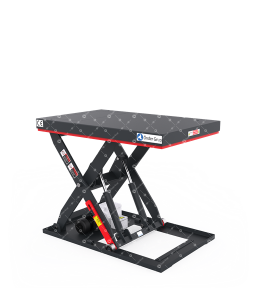
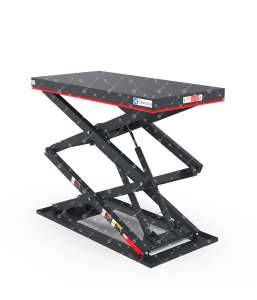
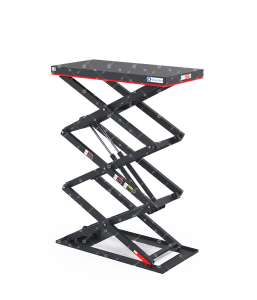
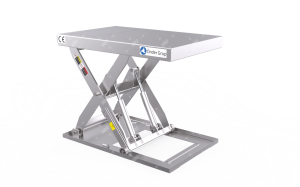
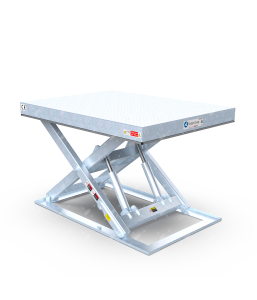
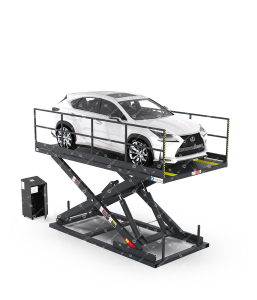
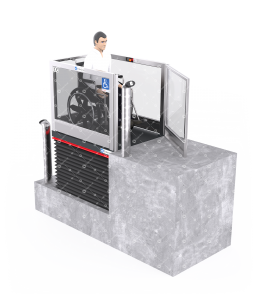
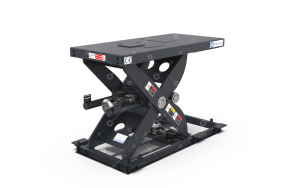

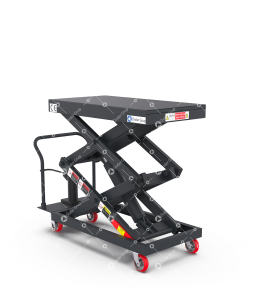
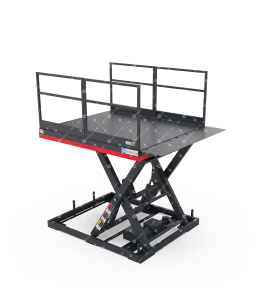
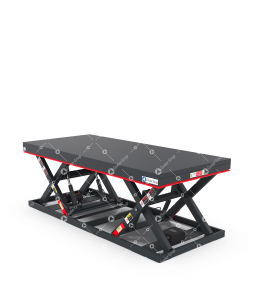
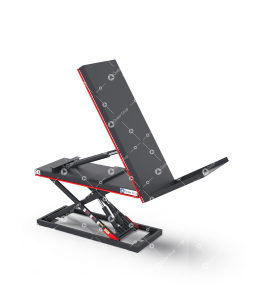
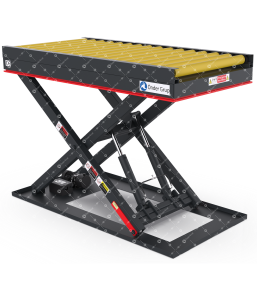
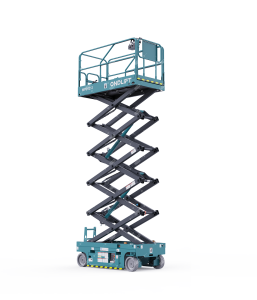
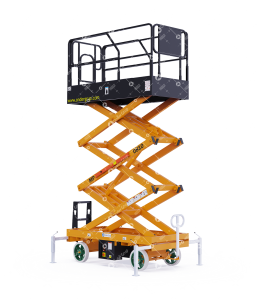
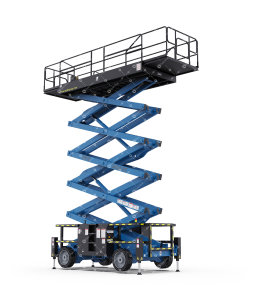
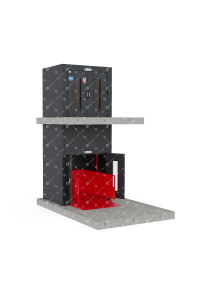

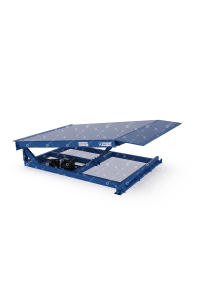
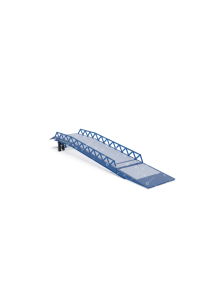
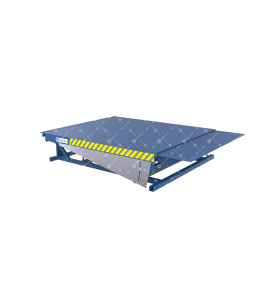














Designed for warehouses, factories, and distribution centers, the Scissor Loading Dock Table provides controlled lifting for faster truck loading operations. Available in project-specific sizes and capacities to match your site requirements.
Lift Tables
Loading Dock Table
The Scissor Loading Dock Table safely bridges height differences between the loading dock and the truck bed, improving loading and unloading speed in warehouses and logistics hubs. Heavy-duty construction and safety features support efficient pallet handling.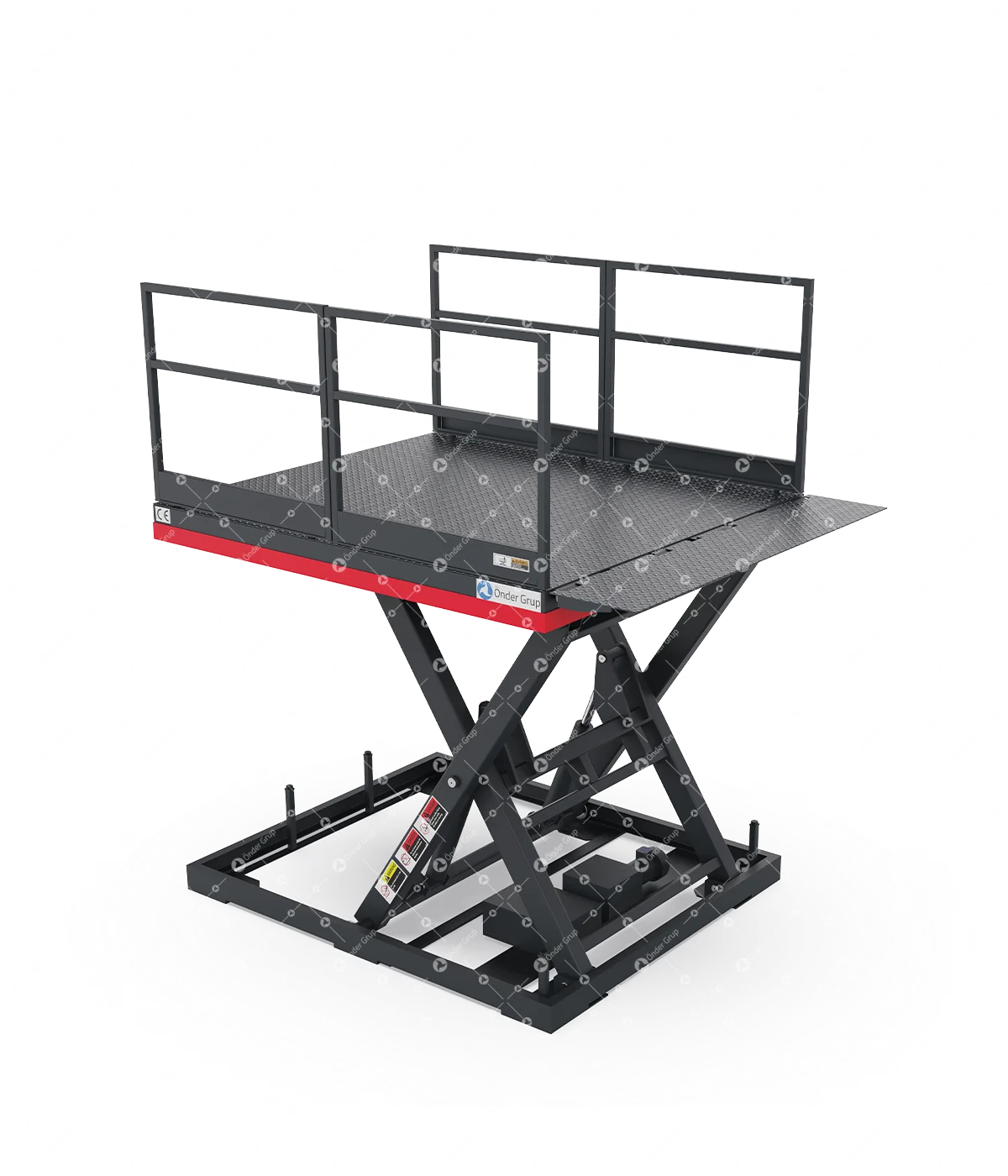
STANDART MODELS
| Type | Art No () | Capacity (kg) | E X F - Platform Dimensions (mm) | H - Stroke (mm) | C - Closed Height (mm) | Lifting Time (sn) | Engine (kW) | Weight (kg) | Adjust Range (mm) | Lip Lenght (mm) | Pit Dimensions (mm) |
|---|---|---|---|---|---|---|---|---|---|---|---|
|
Filter
|
|||||||||||
| ESP.1-L/100-16-1 | 65.100.500 | 10000 | 3000 x 2000 | 1600 | 650 | 45 | 5,5 | 2300 | |||
| ESP.1-L/100-16-2 | 65.100.501 | 10000 | 3000 x 2300 | 1600 | 650 | 45 | 5,5 | 2500 | |||
| ESP.1-L/100-20-1 | 65.100.502 | 10000 | 4000 x 2300 | 2000 | 750 | 60 | 7,5 | 3500 | |||
| ESP.1-L/100-20-2 | 65.100.503 | 10000 | 5000 x 2300 | 2000 | 750 | 60 | 7,5 | 4500 | |||
| ESP.1-L/20-13-1 | 65.20.001 | 2000 | 2000 x 1500 | 1300 | 305 | 27 | 2,2 | 750 | |||
| ESP.1-L/20-13-2 | 65.20.002 | 2000 | 2000 x 2000 | 1300 | 305 | 27 | 2,2 | 850 | |||
| ESP.1-L/20-16-1 | 65.20.003 | 2000 | 2500 x 1500 | 1600 | 305 | 33 | 2,2 | 900 | |||
| ESP.1-L/20-16-2 | 65.20.004 | 2000 | 2500 x 2000 | 1600 | 305 | 33 | 2,2 | 1050 | |||
| ESP.1-L/20-16-3 | 65.20.005 | 2000 | 2500 x 2300 | 1600 | 305 | 33 | 2,2 | 1200 | |||
| ESP.1-L/20-16-4 | 65.20.006 | 2000 | 3000 x 2000 | 1600 | 305 | 37 | 2,2 | 1250 | |||
| ESP.1-L/20-16-5 | 65.20.007 | 2000 | 3000 x 2300 | 1600 | 305 | 37 | 2,2 | 1400 | |||
| ESP.1-L/30-13-1 | 65.30.100 | 3000 | 2000 x 1500 | 1300 | 305 | 27 | 2,2 | 750 | |||
| ESP.1-L/30-13-2 | 65.30.101 | 3000 | 2000 x 2000 | 1300 | 305 | 27 | 2,2 | 850 | |||
| ESP.1-L/30-16-1 | 65.30.102 | 3000 | 2500 x 1500 | 1600 | 305 | 33 | 2,2 | 900 | |||
| ESP.1-L/30-16-2 | 65.30.103 | 3000 | 2500 x 2000 | 1600 | 305 | 33 | 2,2 | 1050 | |||
| ESP.1-L/30-16-3 | 65.30.104 | 3000 | 2500 x 2300 | 1600 | 305 | 33 | 2,2 | 1200 | |||
| ESP.1-L/30-16-4 | 65.30.105 | 3000 | 3000 x 2000 | 1600 | 305 | 37 | 2,2 | 1250 | |||
| ESP.1-L/30-16-5 | 65.30.106 | 3000 | 3000 x 2300 | 1600 | 305 | 37 | 2,2 | 1400 | |||
| ESP.1-L/40-16-1 | 65.40.200 | 4000 | 2500 x 1500 | 1600 | 450 | 30 | 3 | 1300 | |||
| ESP.1-L/40-16-2 | 65.40.201 | 4000 | 2500 x 2000 | 1600 | 450 | 30 | 3 | 1400 | |||
| ESP.1-L/40-16-3 | 65.40.202 | 4000 | 2500 x 2300 | 1600 | 450 | 30 | 3 | 1750 | |||
| ESP.1-L/40-16-4 | 65.40.203 | 4000 | 3000 x 2000 | 1600 | 450 | 30 | 3 | 1600 | |||
| ESP.1-L/40-16-5 | 65.40.204 | 4000 | 3000 x 2300 | 1600 | 450 | 30 | 3 | 1800 | |||
| ESP.1-L/60-16-1 | 65.60.300 | 6000 | 2500 x 1500 | 1600 | 450 | 32 | 4 | 1400 | |||
| ESP.1-L/60-16-2 | 65.60.301 | 6000 | 2500 x 2000 | 1600 | 450 | 32 | 4 | 1600 | |||
| ESP.1-L/60-16-3 | 65.60.302 | 6000 | 2500 x 2300 | 1600 | 450 | 32 | 4 | 1800 | |||
| ESP.1-L/60-16-4 | 65.60.303 | 6000 | 3000 x 2000 | 1600 | 450 | 32 | 4 | 1750 | |||
| ESP.1-L/60-16-5 | 65.60.304 | 6000 | 3000 x 2300 | 1600 | 450 | 32 | 4 | 1950 | |||
| ESP.1-L/60-20-1 | 65.60.305 | 6000 | 4000 x 2300 | 2000 | 650 | 32 | 4 | 2750 | |||
| ESP.1-L/60-20-2 | 65.60.306 | 6000 | 5000 x 2300 | 2000 | 650 | 32 | 4 | 3500 | |||
| ESP.1-L/80-16-1 | 65.80.400 | 8000 | 3000 x 2000 | 1600 | 650 | 45 | 4 | 2000 | |||
| ESP.1-L/80-16-2 | 65.80.401 | 8000 | 3000 x 2300 | 1600 | 650 | 45 | 4 | 2250 | |||
| ESP.1-L/80-20-1 | 65.80.402 | 8000 | 4000 x 2300 | 2000 | 750 | 60 | 5,5 | 3200 | |||
| ESP.1-L/80-20-2 | 65.80.403 | 8000 | 5000 x 2300 | 2000 | 750 | 60 | 5,5 | 4000 |
Do you need custom designed lifting solutions?
Contact a Lift Expert Today.
CASE STUDIES

Loading Dock Table

Loading Dock Table – Oil for -30° – 4000 kg

Loading Dock Table – Outside Use – 1000 kg

Loading Dock Table – Handrails – 1000 kg

Loading Dock Table – Manual loading lip – 2000 kg

Loading Dock Table with Hydraulic Lip

Loading Dock Table
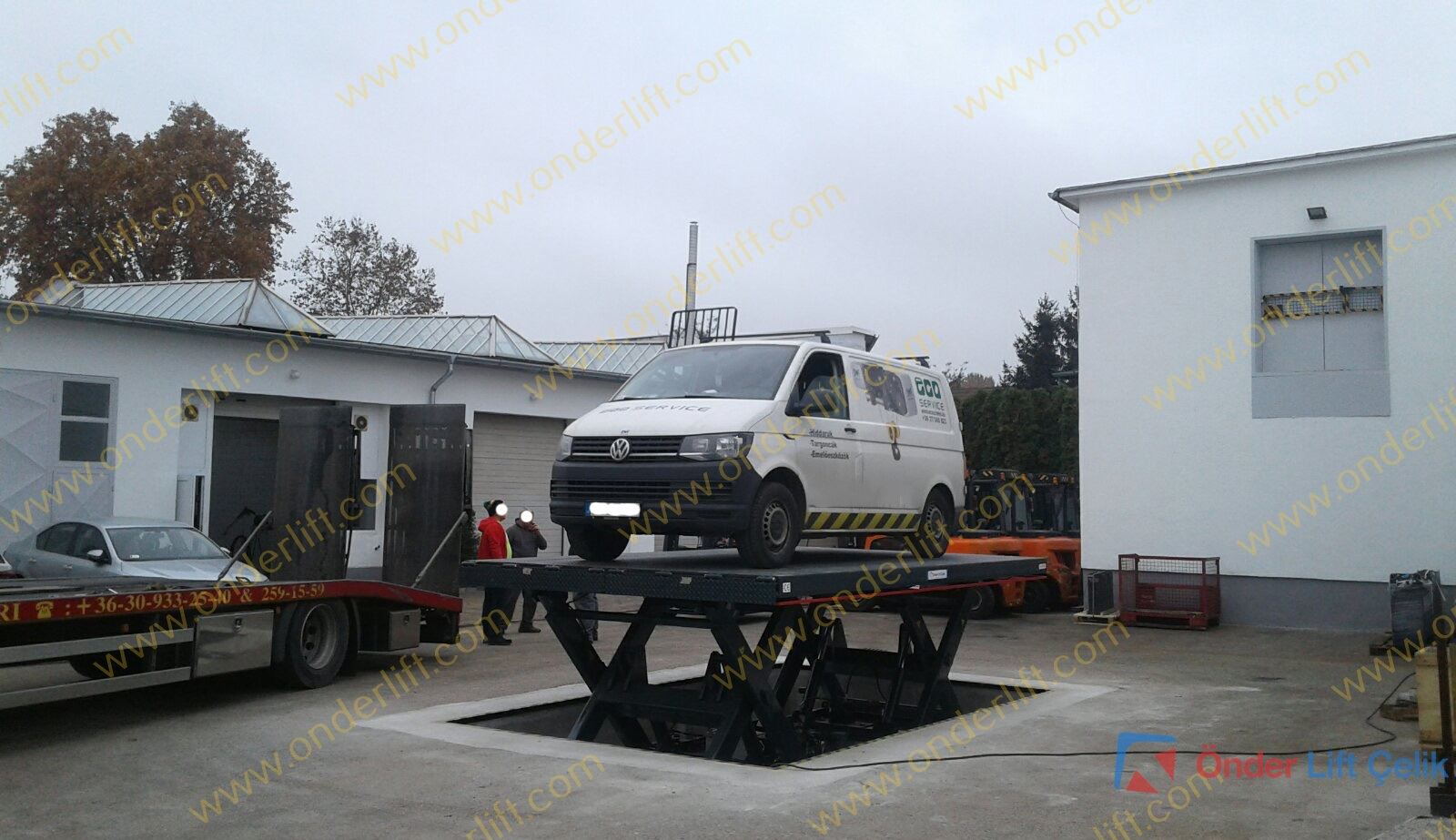
Loading Dock Table
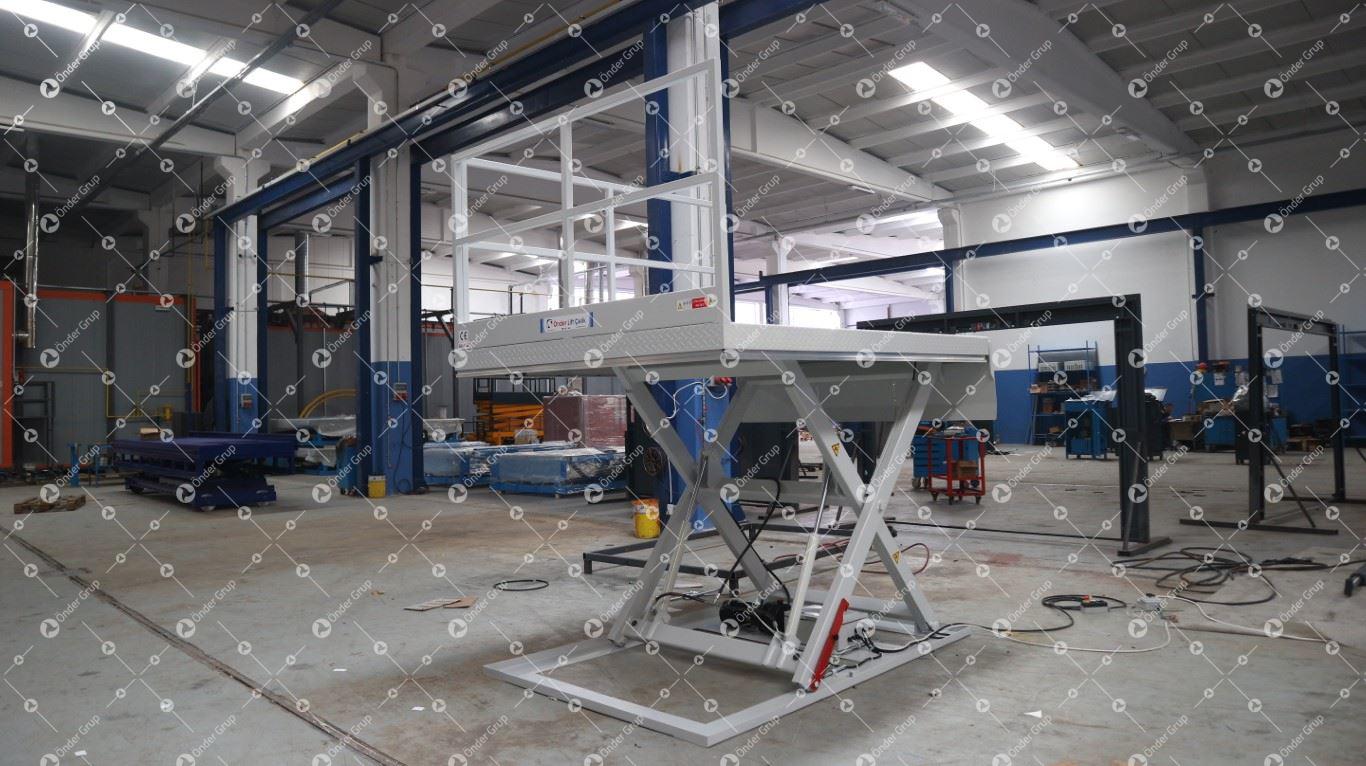
Scissor Loading Dock Table

Loading Dock Table

Scissor Loading Dock Table

Loading Bay Scissor Table – Segmented Lip
FAQ – Scissor Loading Dock Table
1) What is a Scissor Loading Dock Table?
A Scissor Loading Dock Table is a heavy-duty lifting platform designed to bridge height differences between a loading dock and a truck bed. It improves safety and efficiency during pallet loading and unloading by providing controlled vertical positioning.
2) Where is a Scissor Loading Dock Table typically used?
It is commonly used in warehouses, logistics hubs, factory dispatch areas, and distribution centers—especially in truck and trailer loading zones where fast, repetitive loading operations take place.
3) Does it replace a dock leveler?
It depends on the operating scenario. A scissor loading dock table provides vertical leveling within a defined range to support loading/unloading. The best solution is selected based on dock height, vehicle height variations, and the workflow.
4) How are capacity and platform size selected?
Capacity is determined by maximum pallet weight, load distribution, forklift/pallet truck usage, and daily operation intensity. Platform size is selected based on pallet dimensions, vehicle width, and available maneuvering space at the dock.
5) How is stroke (lifting travel) determined?
Stroke is defined by the dock-to-truck height difference, the required truck bed height range, and leveling tolerances. Vehicle types (truck/trailer) and the loading method directly influence the selection.
6) Which safety features are typically considered?
Safety is engineered according to EN 1570-1 design principles and the project scenario. Depending on the configuration, solutions may include overload protection, hose burst protection, an anti-crush safety frame, safety clearances, and a mechanical maintenance lock.
7) Can it be used outdoors?
Yes. Outdoor-use configurations can be engineered based on site conditions. Environmental factors such as rain, dust, and temperature are evaluated to define the appropriate protection and material options.
8) How does the control system work?
Depending on the project, different control solutions can be applied using a 24V control architecture. Hold-to-run (deadman) logic can be used if required (the platform moves only while the operator presses the button and stops when the button is released).
9) What options can be added?
Project-based options may include manual or hydraulic loading lips, handrails/doors, bellows/skirting, perimeter safety solutions, signaling, and site-specific integration features.
10) What about maintenance requirements?
With planned inspections and correct use, long service life and reliable operation are expected. Maintenance frequency depends on duty cycle, environment, and selected options.
11) What information is needed for a quick quotation?
For a fast quotation, please share:
- Maximum load (kg) and pallet dimensions
- Dock height and truck bed height range (level difference)
- Required platform size and stroke (lifting travel)
- Usage intensity (daily cycles)
- Indoor/outdoor information and site conditions
- Option requirements (handrails, bellows, loading lip, safety solutions, etc.)