 EN
EN Türkçe
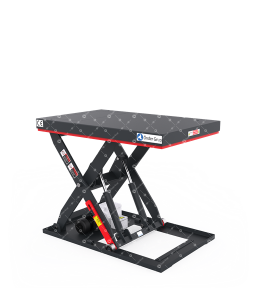
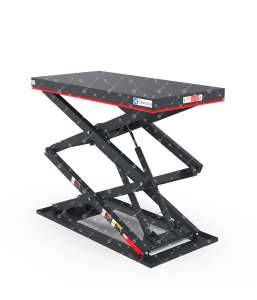
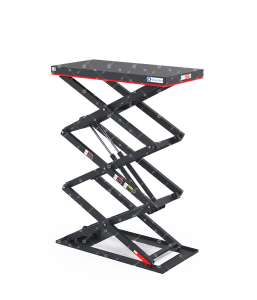
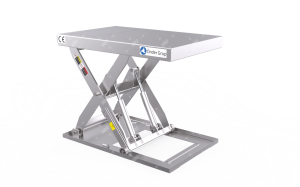
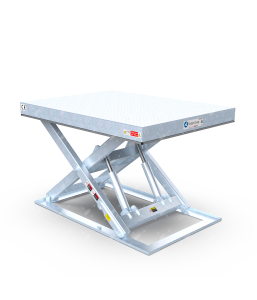
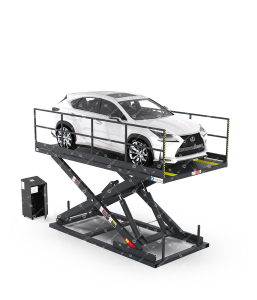
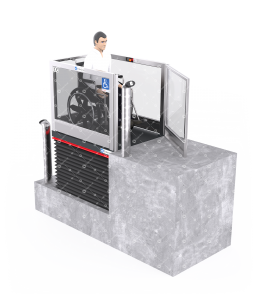
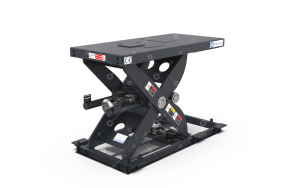

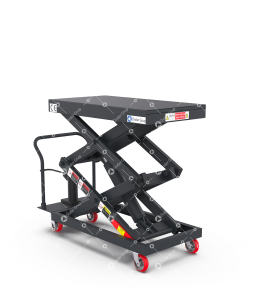
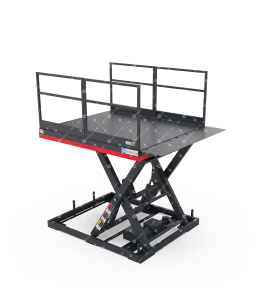
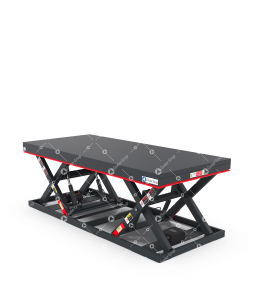
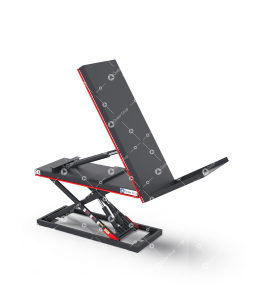
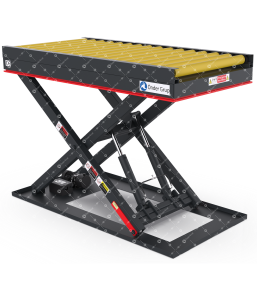
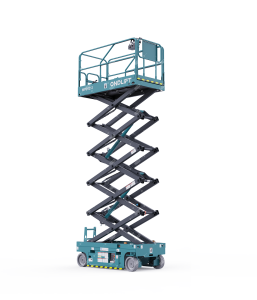
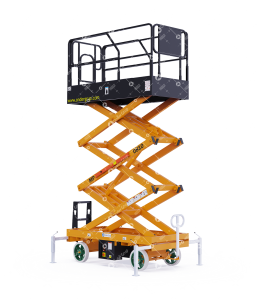
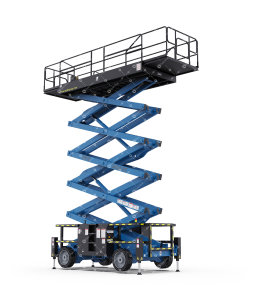
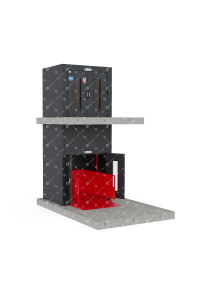

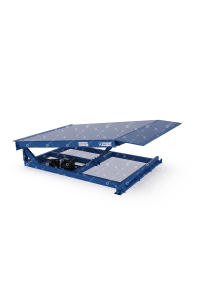














Onder Lift Double Scissor Lift Tables feature a robust steel structure, controlled lifting motion, and standard safety equipment for intensive use. They improve ergonomics, support smoother material flow, and help reduce downtime through durable, low-maintenance design.
Lift Tables
Double Scissor Lift Table
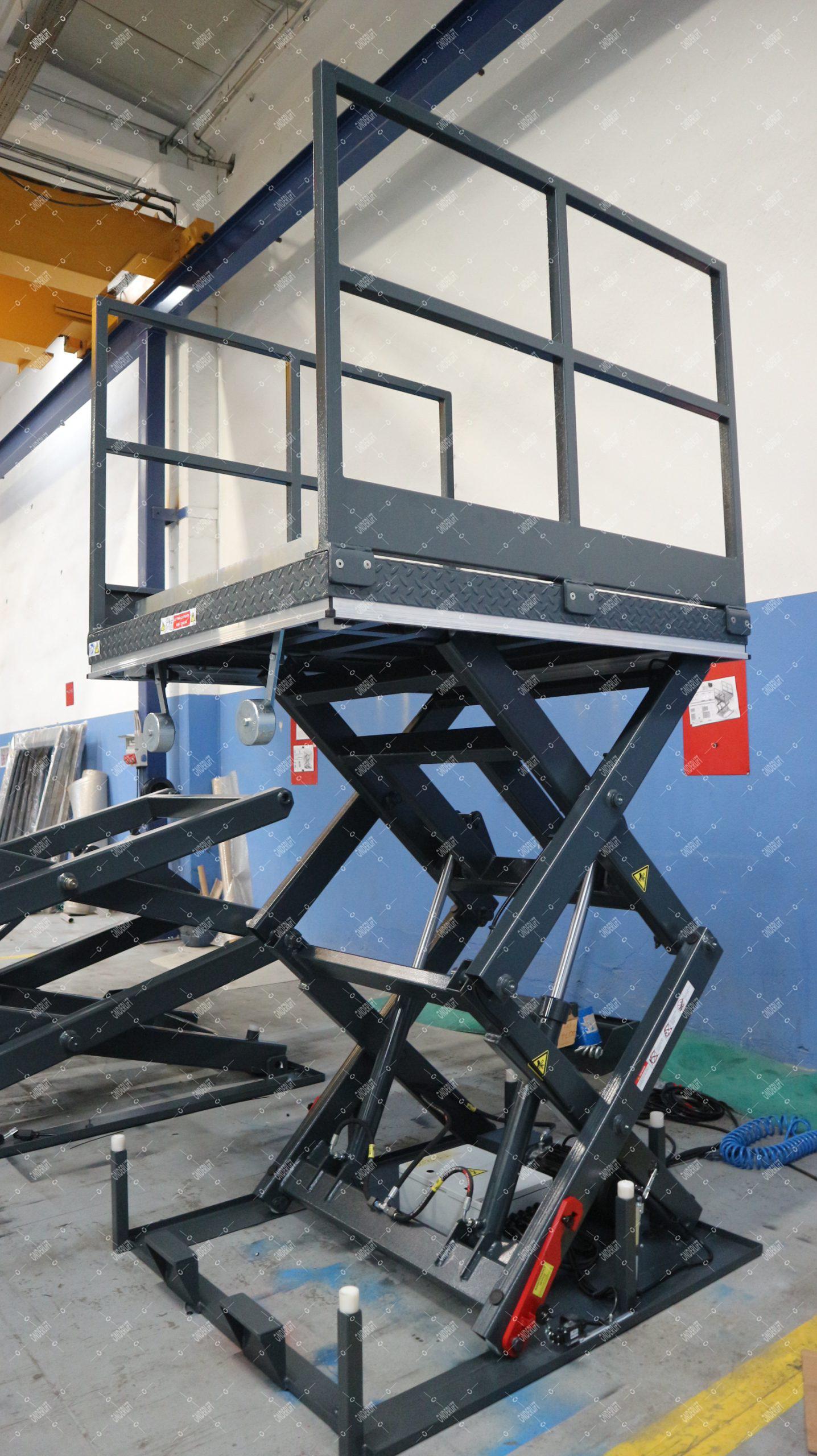
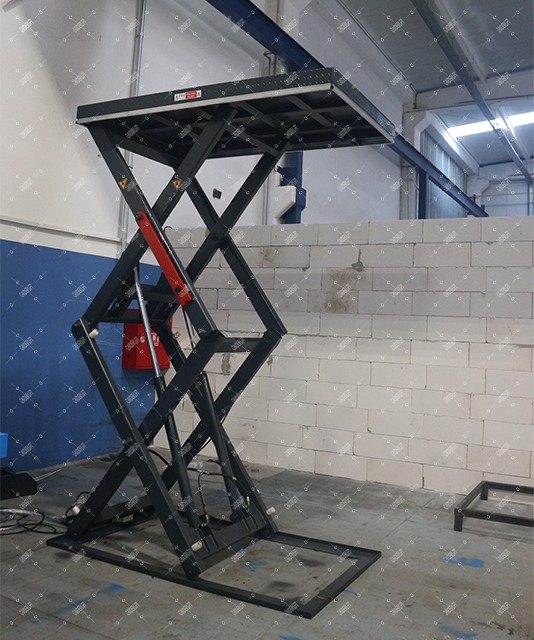
The Double Scissor Lift Table is a hydraulic lifting solution designed for safe and efficient vertical handling in warehouses, production lines, and dispatch areas. With various capacities and platform size options, it supports stable lifting performance for demanding industrial workflows.
STANDART MODELS
| Type | Art No () | Capacity (kg) | E X F - Platform Dimensions (mm) | H - Stroke (mm) | C - Closed Height (mm) | Lifting Time (sn) | Engine (kW) | Weight (kg) | Adjust Range (mm) | Lip Lenght (mm) | Pit Dimensions (mm) |
|---|---|---|---|---|---|---|---|---|---|---|---|
|
Filter
|
|||||||||||
| ESP.2/05-11 | 50.05.001 | 500 | 950 x 600 | 1100 | 300 | 20 | 1,1 | 250 | |||
| ESP.2/05-16-1 | 50.05.002 | 500 | 1350 x 800 | 1600 | 350 | 26 | 1,5 | 300 | |||
| ESP.2/05-16-2 | 50.05.003 | 500 | 1350 x 1000 | 1600 | 350 | 26 | 1,5 | 320 | |||
| ESP.2/05-16-3 | 50.05.004 | 500 | 1500 x 1000 | 1600 | 350 | 26 | 1,5 | 330 | |||
| ESP.2/05-25 | 50.05.005 | 500 | 1800 x 1000 | 2500 | 400 | 32 | 2,2 | 500 | |||
| ESP.2/05-32 | 50.05.006 | 500 | 2250 x 1200 | 3200 | 450 | 40 | 2,2 | 1000 | |||
| ESP.2/10-10 | 50.10.100 | 1000 | 950 x 600 | 1000 | 350 | 22 | 2,2 | 270 | |||
| ESP.2/10-16-1 | 50.10.101 | 1000 | 1350 x 800 | 1600 | 350 | 24 | 2,2 | 330 | |||
| ESP.2/10-16-2 | 50.10.102 | 1000 | 1350 x 1000 | 1600 | 350 | 24 | 2,2 | 350 | |||
| ESP.2/10-16-3 | 50.10.103 | 1000 | 1500 x 1000 | 1600 | 350 | 24 | 2,2 | 360 | |||
| ESP.2/10-25 | 50.10.104 | 1000 | 1800 x 1000 | 2500 | 450 | 32 | 2,2 | 550 | |||
| ESP.2/10-26 | 50.10.105 | 1000 | 2000 x 1200 | 2600 | 450 | 38 | 2,2 | 1000 | |||
| ESP.2/10-32-1 | 50.10.106 | 1000 | 2250 x 1200 | 3200 | 450 | 50 | 2,2 | 1150 | |||
| ESP.2/10-32-2 | 50.10.107 | 1000 | 2250 x 1500 | 3200 | 450 | 50 | 2,2 | 1300 | |||
| ESP.2/15-16-1 | 50.15.200 | 1500 | 1350 x 800 | 1600 | 400 | 26 | 2,2 | 350 | |||
| ESP.2/15-16-2 | 50.15.201 | 1500 | 1350 x 1000 | 1600 | 400 | 26 | 2,2 | 370 | |||
| ESP.2/15-16-3 | 50.15.202 | 1500 | 1500 x 1000 | 1600 | 400 | 26 | 2,2 | 380 | |||
| ESP.2/15-25 | 50.15.203 | 1500 | 1800 x 1000 | 2500 | 450 | 35 | 2,2 | 580 | |||
| ESP.2/15-26 | 50.15.204 | 1500 | 2000 x 1200 | 2600 | 450 | 42 | 2,2 | 1100 | |||
| ESP.2/15-32-1 | 50.15.205 | 1500 | 2250 x 1200 | 3200 | 450 | 52 | 2,2 | 1250 | |||
| ESP.2/15-32-2 | 50.15.206 | 1500 | 2250 x 1500 | 3200 | 450 | 52 | 2,2 | 1400 | |||
| ESP.2/20-16-1 | 50.20.300 | 2000 | 1350 x 800 | 1600 | 450 | 30 | 2,2 | 420 | |||
| ESP.2/20-16-2 | 50.20.301 | 2000 | 1350 x 1000 | 1600 | 450 | 30 | 2,2 | 450 | |||
| ESP.2/20-16-3 | 50.20.302 | 2000 | 1500 x 1000 | 1600 | 450 | 30 | 2,2 | 470 | |||
| ESP.2/20-25 | 50.20.303 | 2000 | 1800 x 1000 | 2500 | 450 | 40 | 3 | 740 | |||
| ESP.2/20-26 | 50.20.304 | 2000 | 2000 x 1200 | 2600 | 450 | 45 | 3 | 1100 | |||
| ESP.2/20-32-1 | 50.20.305 | 2000 | 2250 x 1500 | 3200 | 450 | 56 | 3 | 1400 | |||
| ESP.2/20-32-2 | 50.20.306 | 2000 | 2500 x 1500 | 3200 | 500 | 56 | 4 | 1600 | |||
| ESP.2/20-38 | 50.20.307 | 2000 | 3000 x 2000 | 3800 | 500 | 60 | 4 | 2200 | |||
| ESP.2/30-15-1 | 50.30.400 | 3000 | 1350 x 800 | 1500 | 500 | 32 | 2,2 | 600 | |||
| ESP.2/30-15-2 | 50.30.401 | 3000 | 1350 x 1000 | 1500 | 500 | 32 | 2,2 | 640 | |||
| ESP.2/30-15-3 | 50.30.402 | 3000 | 1500 x 1000 | 1500 | 500 | 32 | 2,2 | 690 | |||
| ESP.2/30-24 | 50.30.403 | 3000 | 1800 x 1000 | 2400 | 600 | 44 | 3 | 860 | |||
| ESP.2/30-25 | 50.30.404 | 3000 | 2000 x 1200 | 2500 | 600 | 50 | 3 | 1300 | |||
| ESP.2/30-30 | 50.30.405 | 3000 | 2250 x 1500 | 3000 | 650 | 60 | 4 | 1600 | |||
| ESP.2/30-32 | 50.30.406 | 3000 | 2500 x 1500 | 3200 | 700 | 66 | 4 | 1800 | |||
| ESP.2/30-38 | 50.30.407 | 3000 | 3000 x 2000 | 3800 | 700 | 66 | 5,5 | 2400 | |||
| ESP.2/40-15-1 | 50.40.500 | 4000 | 1350 x 1000 | 1500 | 500 | 36 | 2,2 | 750 | |||
| ESP.2/40-15-2 | 50.40.501 | 4000 | 1500 x 1000 | 1500 | 500 | 36 | 2,2 | 800 | |||
| ESP.2/40-24 | 50.40.502 | 4000 | 1800 x 1000 | 2400 | 600 | 48 | 3 | 1000 | |||
| ESP.2/40-25 | 50.40.503 | 4000 | 2000 x 1200 | 2500 | 600 | 54 | 3 | 1500 | |||
| ESP.2/40-30 | 50.40.504 | 4000 | 2250 x 1500 | 3000 | 650 | 66 | 4 | 1800 | |||
| ESP.2/40-32 | 50.40.505 | 4000 | 2500 x 1500 | 3200 | 700 | 72 | 5,5 | 2100 | |||
| ESP.2/40-36 | 50.40.506 | 4000 | 3000 x 2000 | 3600 | 700 | 74 | 5,5 | 2800 |
Do you need custom designed lifting solutions?
Contact a Lift Expert Today.
CASE STUDIES

Double Scissor Lift Table Interlocked Doors 4000 kg
Double Scissor Lift Table

Double Scissor Lift Table

Double Scissor Lift Table 3000 kg

Double Scissor Lift Table 500 kg

Double Scissor Lift Table 2000 kg

Double Scissor Lift Table 4000 kg

Double Scissor Lift Table 3000 kg

Double Scissor Lift Table – Galvanized – 2500 kg

Double Scissor Lift Table – 200 kg

Double Scissor Lift Table – 1500 kg

Double Scissor Lift Table – 500 kg
Double Scissor Lift Table – 1000 kg

Double Scissor Lift Table – 1500 kg

Double Scissor Lift Table – 300 kg

Three Scissor Lift Table with Self-Locking system

Scissor Lift – Extended Upper Table

Packaging Scissor Lift Table

Double Scissor Lift Table – Shot Bolts

Scissor Lift Table – Special Painted
FAQ – Double Scissor Lift Table
1) Where is a double scissor lift table typically used?
Double scissor lift tables are widely used in warehouses and logistics areas for pallet transfer, on production lines for assembly and line-feeding stations, in packing/dispatch zones for ergonomic handling, and anywhere level differences require safe vertical material movement.
2) How do I determine the right capacity (kg)?
Capacity should be selected based on the maximum total load, including the product, pallet, crate, fixtures, tools, or any additional attachments. For safe operation, consider peak loads and real operating conditions, not only nominal load weight.
3) How do I choose the correct platform size?
Platform size depends on the load footprint, how the load is positioned on the deck (centered or eccentric), operator access needs, and the handling method (pallet truck, forklift, conveyor interface, etc.). A correct size improves safety and workflow efficiency.
4) Why is stroke (lift height) important?
Stroke defines the working height the platform can reach. If you need to overcome level differences or create a specific ergonomic working height, selecting the correct stroke is critical. An incorrect lift height can reduce efficiency and limit usability.
5) Should I choose a pit-mounted or surface-mounted installation?
This depends on your facility layout, floor structure, traffic flow, and access requirements. Pit-mounted installations allow a flush floor transfer at the lowest position, while surface-mounted solutions may require less civil work. The best method is typically determined after a site review.
6) What safety features are commonly included as standard?
Depending on configuration, typical safety elements include a hose burst valve, controlled lowering, a mechanical maintenance lock/safety support, anti-crush/pinch risk reduction measures, and hold-to-run (deadman) control logic. Additional safety solutions can be supplied project-specifically.
7) Is outdoor use possible?
Yes. For outdoor or high-humidity environments, corrosion protection and suitable electrical protection levels can be applied (e.g., hot-dip galvanizing and environment-appropriate electrical components). Final selections should be made based on the site conditions.
8) Which optional accessories can be added?
Common options include guardrails, bellows (perimeter protection), turntable integration, loading lip/bridge plate solutions, special controls, and custom platform sizing or project-based engineering.
9) How is lifting speed (cycle time) determined?
Lifting time depends on rated capacity, stroke, hydraulic power unit selection, and process needs. If cycle time is critical (e.g., production lines), the required speed should be defined during the project stage and the system configured accordingly.
10) What maintenance is required, and how often?
Routine maintenance typically includes inspection of pins and structural connections, hydraulic oil level/leak checks, electrical connections, and verification of safety devices. A periodic maintenance plan should be established based on duty cycle and operating conditions.
11) Can the platform handle off-center (eccentric) loads?
It can, but eccentric loading directly affects structural design and safety factors. For correct engineering and safe operation, you should share how the load is positioned on the platform and any worst-case scenarios during quotation and design stages.
12) What information do you need to prepare a quotation?
For a fast and accurate quotation, please provide:
- Maximum total load (kg)
- Required platform size (W×L)
- Required stroke/lift height (mm)
- Installation type (pit-mounted / surface-mounted)
- Duty cycle (daily cycles)
- Indoor/outdoor environment and special conditions
- Handling method (pallet truck, forklift, conveyor interface, etc.)